Auto insurance is a significant line item in most household budgets. The national average cost of full coverage car insurance is over $2,000 per year. However, rates are highly individualized. This pillar covers everything you need to know about why you pay what you pay, and how to pay less.

Understanding Costs
A deep dive into actuaries, risk profiles, and pricing models.
How to Save Money
Actionable, proven strategies to slash your monthly premium.
Affordable Coverage
Finding the balance between cheap rates and actual protection.
Guide to Discounts
Every discount you should be asking your agent about today.
Lower Your Rates
Step-by-step strategies for bringing your premium down.
Premium Factors Explained
The specific variables insurers use to calculate your rate.
Why Are Rates Rising?
If you've noticed your premiums increasing even without accidents or tickets, you aren't alone. Macroeconomic factors play a massive role. The rising cost of vehicle parts, labor shortages in auto body shops, increasingly complex vehicle technology (sensors and cameras in bumpers), and increased litigation have all forced insurers to raise base rates nationwide.
The most effective response is proactive comparison shopping. Learn more in our guide on 10 proven ways to reduce your premium without sacrificing coverage quality. If you want to target the very lowest available rate, our dedicated guide to finding the cheapest car insurance quotes covers where budget-conscious drivers should look first.
The Factors You Can Control
Not every cost factor is within your power to change — but several are. Understanding exactly which factors affect your premium is the first step to optimizing your rate. Your deductible, coverage levels, bundling decisions, and driving record are all levers you can actively adjust. Our guide to lowering your auto insurance rates walks through each of these in detail.
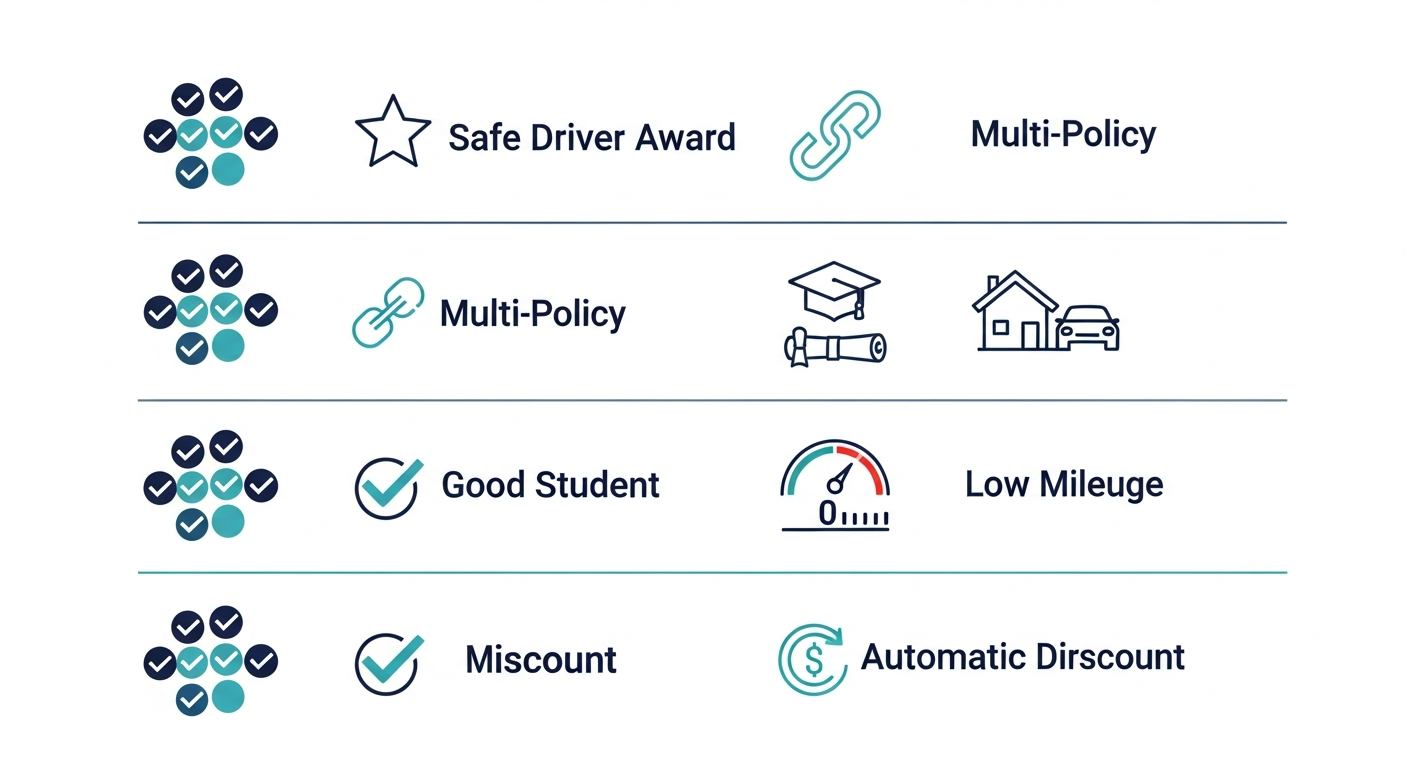
Discounts are another underutilized tool. Most drivers are not receiving every discount they qualify for. Our ultimate guide to car insurance discounts covers every available discount category — from good driver and good student, to telematics, low-mileage, and bundling discounts — and how to make sure you're getting all of them. Once you've identified your available discounts, comparing quotes across multiple carriers ensures you're applying those discounts to the most competitive base rate available.
Before You Accept a Rate Increase — Check These:
- Get quotes from at least 3 competing insurers using the same coverage levels
- Ask your current insurer about any discounts you may not be receiving
- Review whether your vehicle's actual cash value still justifies comprehensive/collision coverage
- Check if your deductible can be raised to offset the premium increase
- Confirm your credit score has not changed (it affects rates in most states)
- Review your mileage — low-mileage discounts apply if you drive under 7,500 miles/year
Frequently Asked Questions
What is the average cost of car insurance?
As of 2024, the national average for full coverage is roughly $2,100 per year, while state minimum liability averages around $600 per year. However, this varies wildly by state and driver.
At what age does car insurance go down?
Rates typically see their first major drop at age 25, assuming a clean driving record. They continue to decrease gradually through your 30s, 40s, and 50s.