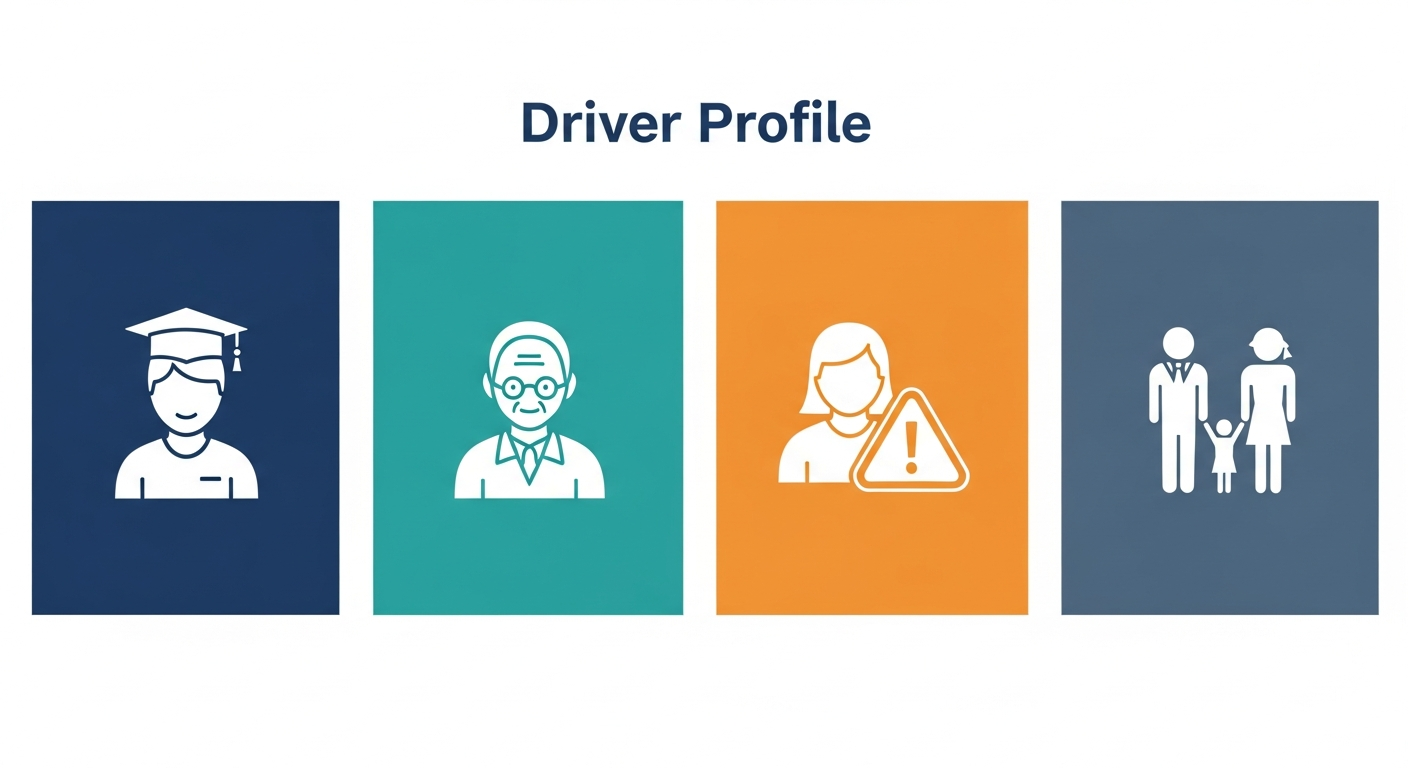
Your unique demographics and the specific vehicle you drive play massive roles in your coverage needs and costs. A teenager driving a sports car requires vastly different strategies than a senior citizen driving a sedan. Find your driver profile below for tailored guidance.
Why Your Driver Profile Matters
Insurers use your driver profile as one of their primary pricing signals. Age, years of experience, and your claims and violation history all feed into actuarial models that predict your likelihood of filing a claim. This is why a 17-year-old and a 45-year-old can pay dramatically different rates even with the same vehicle and the same coverage. Our car insurance costs guide explains all the pricing factors in detail.
Regardless of your driver profile, comparing quotes from multiple insurers is essential — rate differences are largest for specialty drivers like teens, high-risk drivers, and EV owners. Learn how to compare car insurance quotes effectively to find the best deal for your specific situation.
Driver Profile Quote Checklist
- Confirm all drivers in your household are listed on the policy
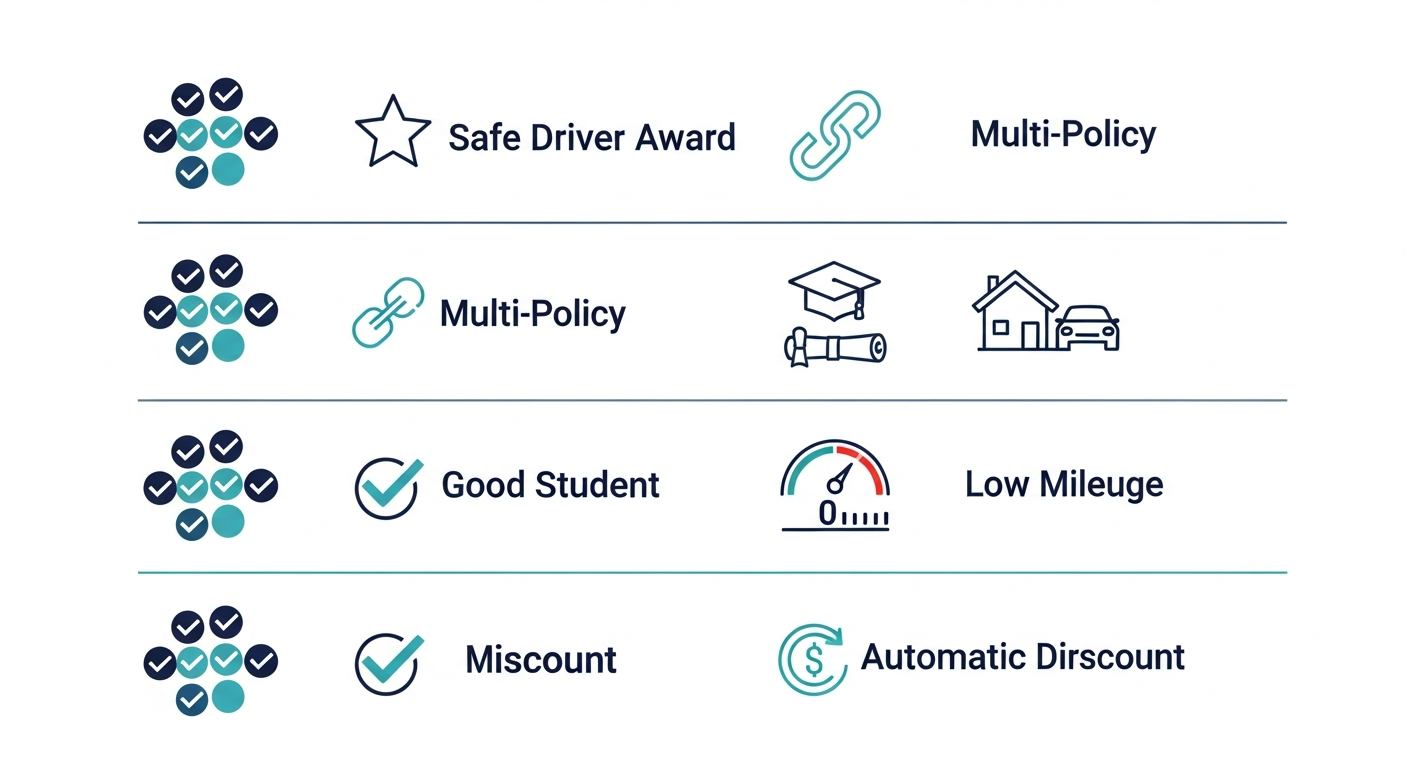
- Verify whether a driving course discount applies (especially for teens and seniors)
- Ask specifically about telematics programs if you have a safe, low-mileage driving pattern
- If you have a DUI or SR-22, ask which insurers specialize in high-risk coverage in your state
- For EV owners: confirm battery replacement, software, and charging equipment are covered
- Military members: check USAA eligibility before comparing other insurers
- Low-mileage drivers: ask about pay-per-mile and usage-based insurance options
Frequently Asked Questions
Should a teenager have their own car insurance policy?
In nearly all cases, it is significantly cheaper to add a teen driver to a parent's existing policy rather than take out a standalone policy. Standalone policies for teens can exceed $5,000–$7,000 per year.
Can high-risk drivers still get insurance?
Yes. While mainstream insurers may deny coverage or charge extremely high rates after a DUI or multiple accidents, specialist high-risk insurers and state-assigned risk pools ensure coverage is available — though expensive.